WhatsApp Image 2024-12-24 at 11.20.47 AM
Department Of M.SC(BT)

Established in the academic year 2002–2003 with the vision of imparting quality education, fostering innovation, and promoting professional training in the field of Biotechnology. Since its inception, the department has strived to bridge the gap between academic learning and industrial application by equipping students with both theoretical knowledge and practical skills.

Biotechnology, as a discipline, integrates Biology, Molecular Biology, Genetics, and Chemistry to develop technologies and products that enhance human health, improve environmental sustainability, and boost agricultural productivity. The department is committed to preparing students for diverse careers in pharmaceuticals, healthcare, agriculture, the food and beverage industry, environmental science, and genetic engineering.

The department offers well-structured undergraduate (B.Sc. Biotechnology) and postgraduate (M.Sc. Biotechnology) programs designed to provide students with comprehensive subject knowledge, hands-on laboratory experience, and exposure to cutting-edge developments in the Biotechnology domain. Graduates of these programs have secured successful placements in industry, academia, and research, and many have gone on to establish their own startups.

A dedicated team of qualified and experienced faculty members ensures that students receive personalized guidance in their academic, research, and career endeavors. In addition to regular coursework, the department organizes workshops, industry visits, seminars, and training sessions to enrich the learning experience.

With a strong emphasis on ethical scientific conduct, critical thinking, problem-solving, and innovation, the Department of Biotechnology continues to serve as a nurturing ground for future professionals in the Life Sciences.

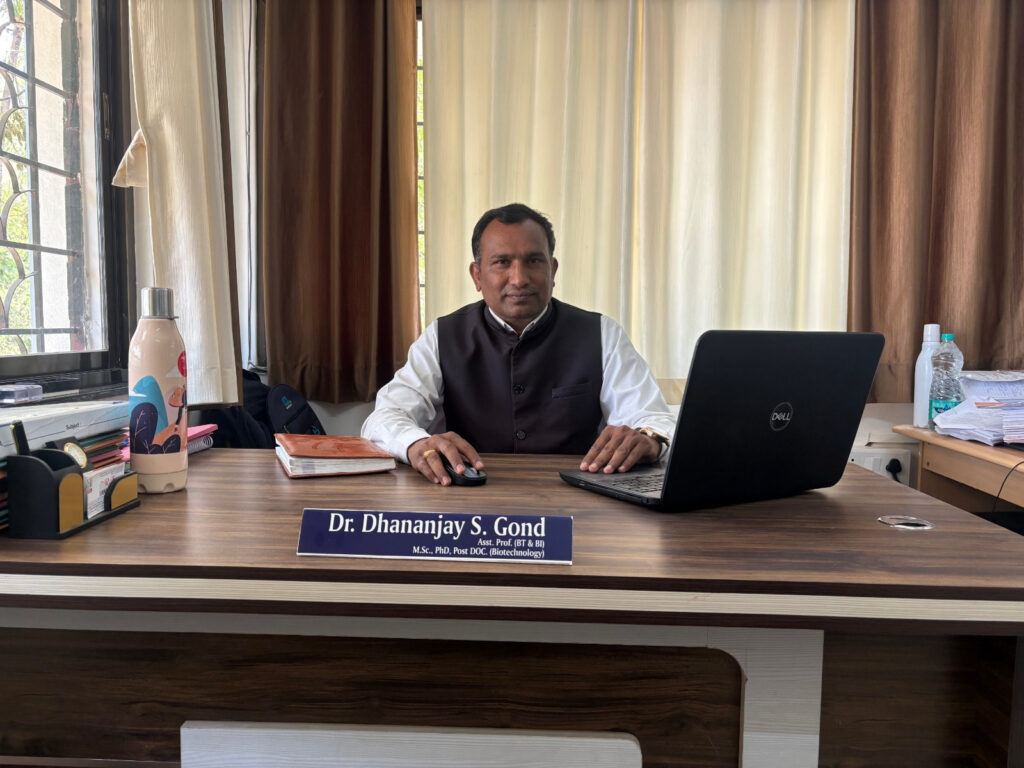
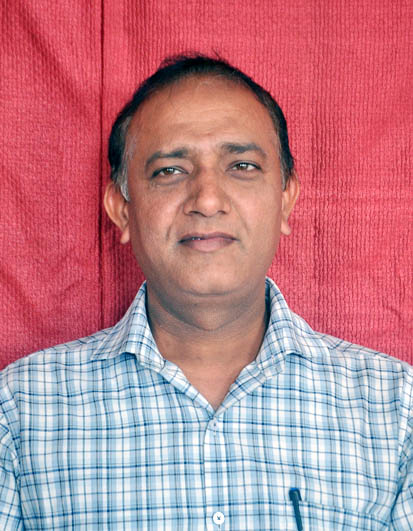
Dr.Dhananjay S. Gond
(M.Sc PhD, Post Doctorate - Biotechnology)
Head,Department of Biotechnology
SPECIAL FEATURES

  • Curriculum aligned with current industry standards.
  • Well-equipped laboratories for practical training and research.
  • Advanced and sophisticated laboratory equipment and instruments
  • Highly qualified and experienced faculty, including Ph.D. holders and postdoctoral researchers
  • Dedicated departmental library for reference and study.
  • Skill development and add-on certificate courses to enhance employability.
  • Regular organization of workshops, guest lectures, seminars, exhibitions, and quiz competitions for th holistic development of students.
  • Strong industry linkages providing internships and placement opportunities with renowned organizations such as Serum Institute, Bharat Biotech, Wockhardt Biotech, and Nath Bio-Genes.
  • Educational tours to biotech laboratories, R&D centers, and agro-industries for experiential learning.
  • Active student participation and recognition in inter college and university-level competitions such as Avishkar, Tech Expo, poster presentations, and more.
  • Promotion of innovation and entrepreneurship through project-based learning in every semester. Emphasis on holistic development, including ethics, teamwork, leadership, and communication skills.
  • Personalized student mentorship and comprehensive career guidance for successful placements.
COURSES OFFERED INTAKE ELIGIBILITY
B. Sc. Biotechnology 80 + 80 12th Science(Any Group)
M.Sc. Biotechnology 30 Any Science Graduate

Vision

To empower the professionals to be technologically skilled, innovative, self motivated and become responsible citizens with research oriented approach for solving social and industrial challenges for betterment of society.

Mission

• To develop skilled human resource through quality education, leading to employability of the students
• To build quality professionals by providing state of art training and hands on experience.
• To nurture the students by enhancing ethical and moral values, creativity and innovation enabling entrepreneurial qualities.
• To develop socially responsible students committed to self reliant India through various extra and co-curricular activities.

Faculty Profiles

Dr.Cherekar Makarand

HOD Dept of Bioinformatics
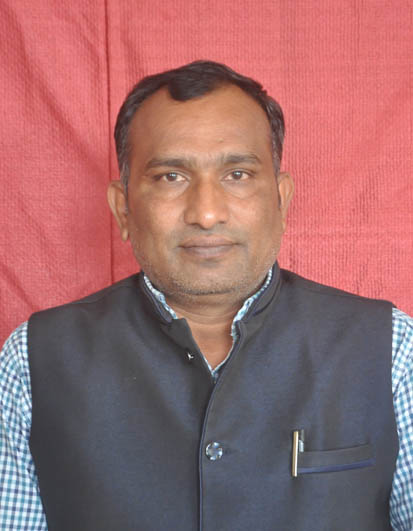
Dr.Gond Dhananjay S.

HOD Dept of Biotechnology
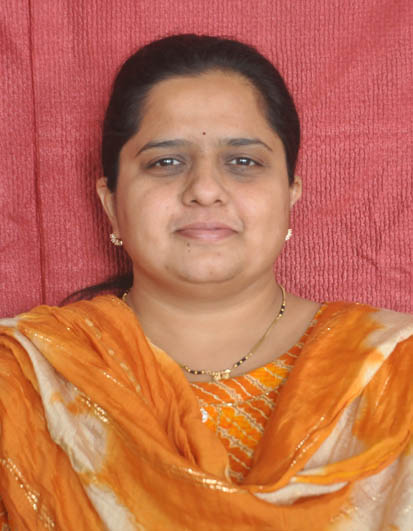
Dr.Mrs.Sarsar Mayuri S.

Associate Professor
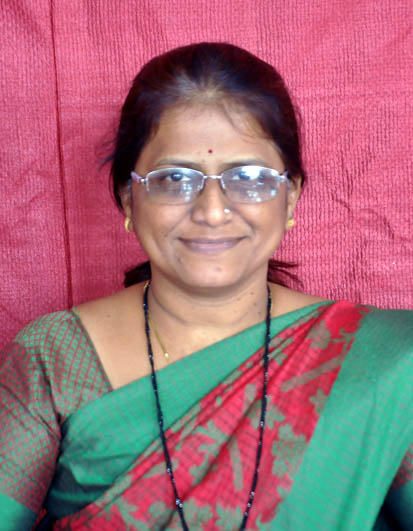
Dr.Ms.Mundada Neeta M

Associate Professor
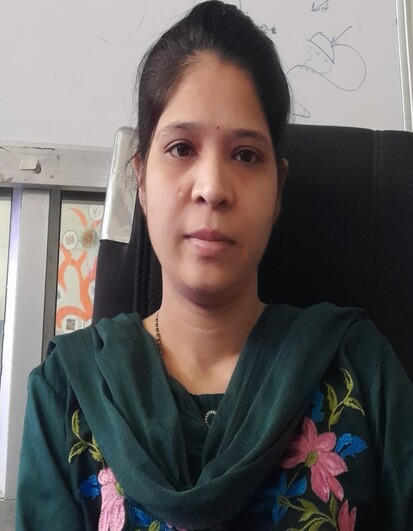
Faculty Profiles

Kadam_Komal

Associate Professor

Mr Shinde Santosh

Associate Professor
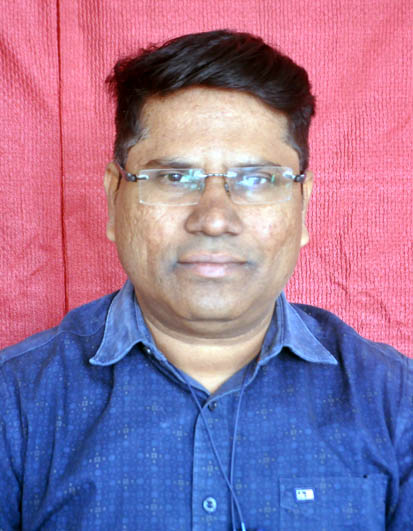
Mr. Belnor Rameshwar S.

Associate Professor
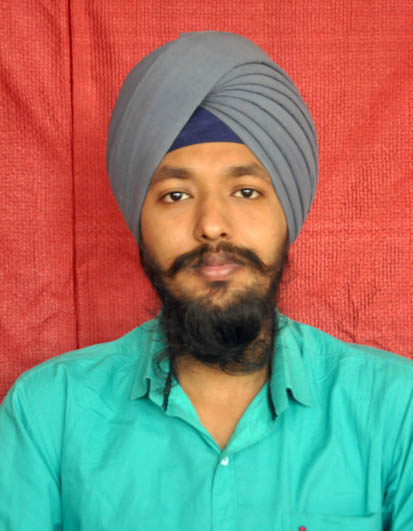
Mr.Patwari ramandeepsingh Harmindersingh

Associate Professor
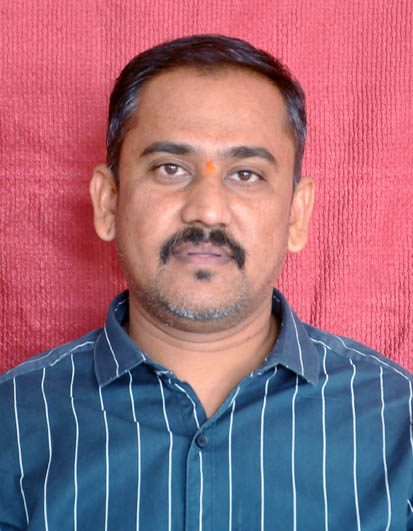
Faculty Profiles

Mr.Shinde Ravindra G.

Associate Professor
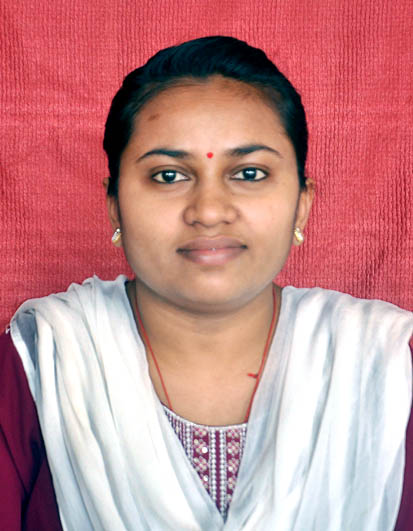
Ms.Gawalwad Pooja Tukaram

Associate Professor
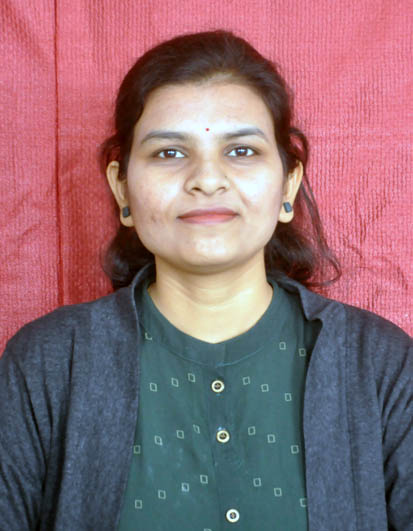
Ms.Janakwade Dhanashri P

Associate Professor
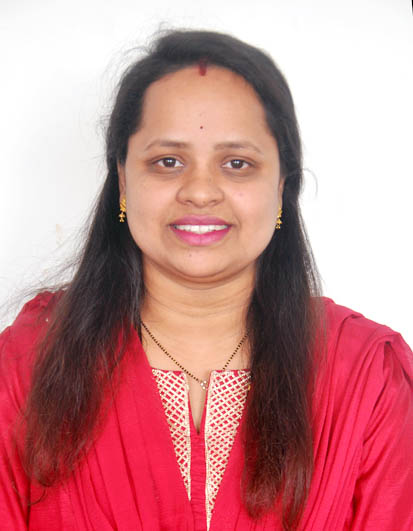
Ms.Kadam Roshni

Associate Professor
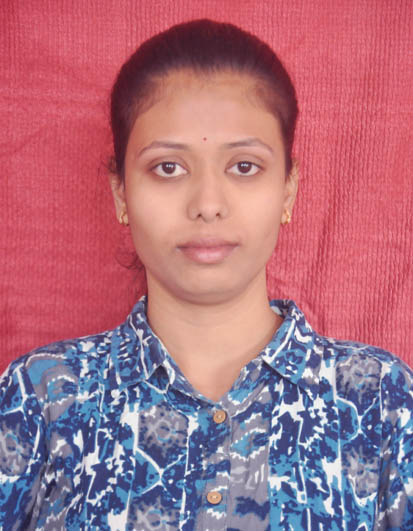
Faculty Profiles

Ms.Karkare Rakshanda Prashant

Associate Professor
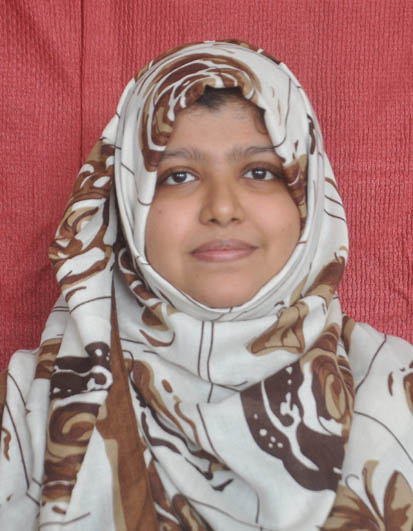
Ms.Sayed Naziya Ambreen

Associate Professor
Publication Details
Research Publications by Dr. Makarand N. Cherekar
Sr. No. Name of the teacher Title of paper Name of the Authors Department of the teacher Name of Journal Year of publication ISBN/ISSN number
1 Dr. Cherekar Makarand N. Production and characterization of a haloalkaline pectinase from Halomonas pantellerinsis strain SSL8 isolated from Sambhar lake, Rajasthan Makarand N. Cherekar and Anupama P. Pathak Biotechnology and Bioinformatics Current trends in Biotechnology and Pharmacy 2020 Vol. 14 (3) 319-326, July 2020, ISSN 0973-8916
2 Dr. Cherekar Makarand N. PRODUCTION, EXTRACTION AND USES OF ECO-ENZYME USING CITRUS FRUIT WASTE: WEALTH FROM WASTE Makarand N. Cherekar and Anupama P. Pathak Biotechnology and Bioinformatics Asian Jr. of Microbiol. Biotech. Env. Sci 2020 ISSN-0972-3005
3 Dr. Cherekar Makarand N. Chemical assessment of Sambhar Soda Lake, a Ramsar site in India M. N. Cherekar and A. P. Pathak Biotechnology and Bioinformatics Journal of Water Chemistry and Technology 2016 1063455X
4 Dr. Cherekar Makarand N. Hydrobiology of hypersaline Sambhar salt Lake a Ramsar site, Rajasthan, India AP Pathak, MN Cherekar Biotechnology and Bioinformatics Indian Journal of Geo-Marine Sciences 2015 3795136
5 Dr. Cherekar Makarand N. Studies on Haloalkaliphilic gammaproteobacteria from hypersaline Sambhar Lake, Rajasthan, India M. N. Cherekar and A. P. Pathak Biotechnology and Bioinformatics Indian Journal of Geo-Marine Sciences 2015 3795136

CO & PO

(s): Students / graduates will be able to

PO1: Apply knowledge of mathematics and science to solve complex problems.

PO2: Generate solutions by conducting experiments and applying techniques to analyze and interpret data.

PO3: Design solutions for problems and system components /processes that address public health, safety, cultural, societal and environmental needs.

PO4: Indentify, formulate, and analyze the problems providing scientific solutions using first principles of applied sciences, mathematics, and research.

PO5: Apply professional ethics and norms of professional practice.

PO6: Ability to communicate effectively with both professionals and society.

PO7: Engage in independent and lifelong learning in the broadest context of the technological change.

PO8: Create, select and apply appropriate techniques, resources and modern tools for design, modeling, simulation and analysis.

PO9: Understand the impact of solutions on society, environment and work for sustainable development.

PO10: Apply contextual knowledge to assess societal, health, safety, legal and cultural issues relevant to the professional practice.

PO11: Function effectively as an individual and as a member or leader in diverse multidisciplinary teams.

PO12: Apply research based knowledge and methods for analysis and interpretation of data and synthesis of information.

PSO: (Dept. of Computer Sci. & IT, Nanded)​

Pass out professionals of B.Sc. (CS)/BCA/ M.Sc. (SE) program should be able to:

  • Apply and demonstrate skills in emerging area including Computer system security, Cloud Computing, Image Processing, Machine learning.
  •  Apply the Knowledge of modern technologies through learning IoT, Arduino programming.
  • Demonstrate competence in programming technologies using open source platforms.

PSOs (Department of Biotechnology and Bioinformatics)​

Pass out professionals of B.Sc. (BT) / M.Sc. (BT) program should be able to:

  • PSO 1: To impart an ability to apply biotechnology skills (including molecular & microbiology,immunology & genetic engineering, bioprocess & fermentation, enzyme & food technology and bioinformatics) and its applications in core and allied fields.
  • PSO 2: To provide students with the concepts and research approaches for their higher career in the field of biotechnology and develop their scientific interest.
  • PSO 3: To impart in-depth practical oriented knowledge to students in various thrust areas of biotechnology, so as to meet the demands of industry and academia.

PSOs (Department of Biotechnology and Bioinformatics)​

Pass out professionals of B.Sc. (BI) / M.Sc. (BI) program should be able to:

  • PSO 1: Students will proficiently utilize bioinformatics tools and software to analyze biological data, interpret sequences, and predict protein structures, demonstrating competency in handling bioinformatics databases and computational algorithms.
  • PSO 2: Students will apply computational techniques such as sequence alignment, phylogenetic analysis, and genome assembly to solve real-world biological problems, showcasing their ability to integrate biological knowledge with computational methods.
  • PSO 3: Students will demonstrate an understanding of ethical considerations in bioinformatics research and practice, adhering to principles of data privacy, confidentiality, and responsible data sharing in biological research and clinical applications.